
A New Industry Standard Focused on Embodied Carbon, Material Circularity, and Material Health is Officially Underway in China
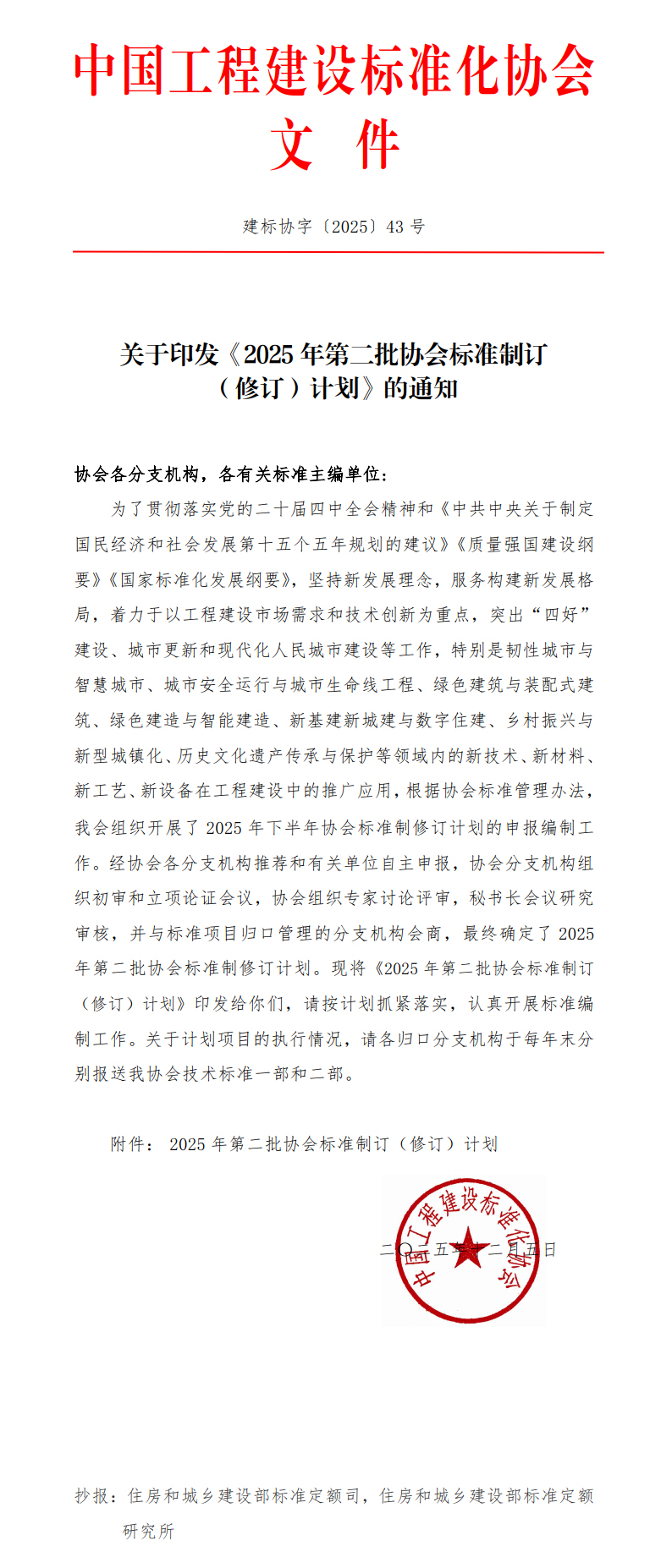
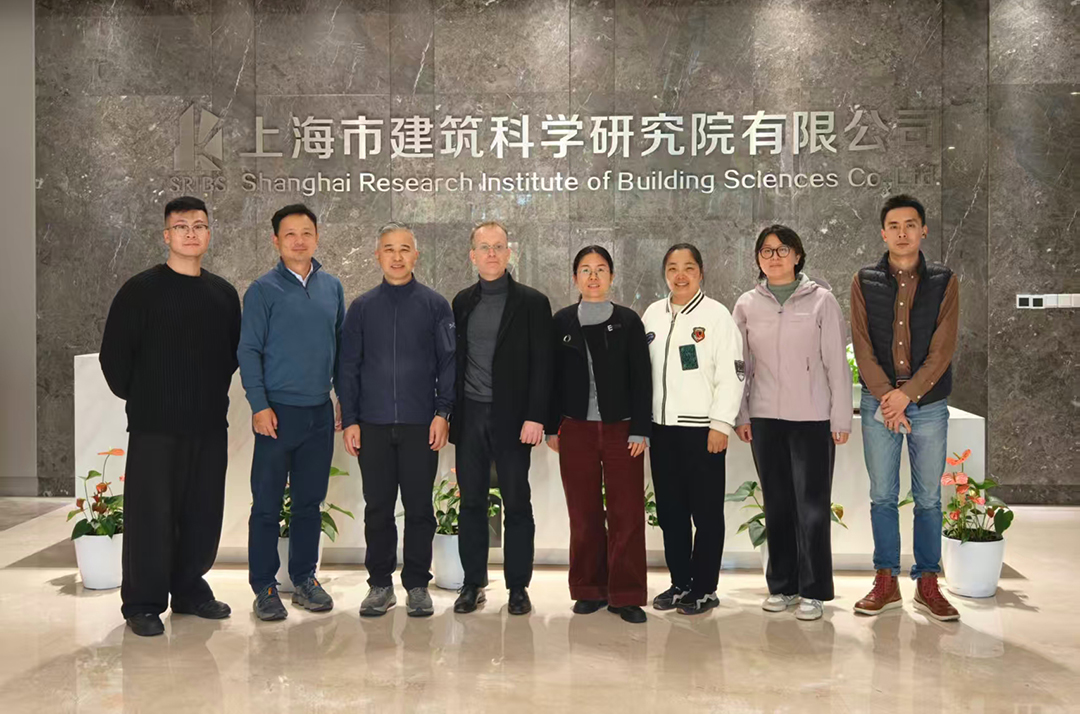
The standard "Integrated Assessment Standard for Embodied Carbon, Material Circularity, and Material Health Across the Full Life Cycle of Construction Projects", led by Shanghai Research Institute of Building Sciences and RESET Standard, has been formally approved by the China Association for Engineering Construction Standardization (CECS) and included in its current standard development plan.
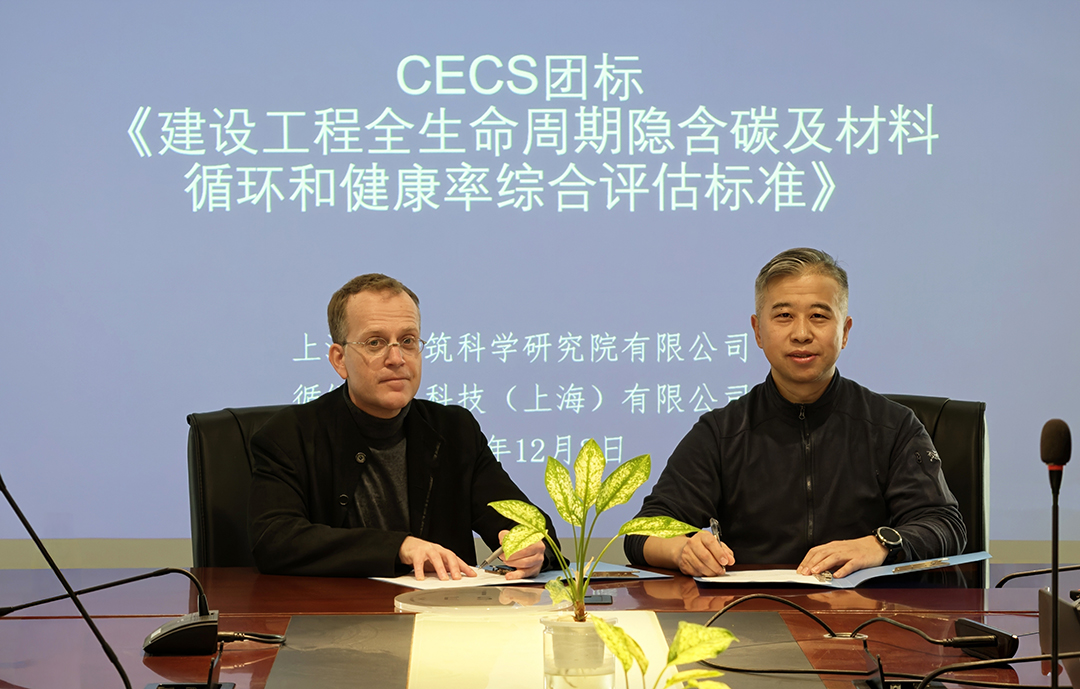
The standard applies across the full life cycle of construction projects, covering new and existing buildings as well as interiors and furniture, from planning and design to end-of-life. It aims to deliver a practical assessment framework covering three critical dimensions: embodied carbon, material circularity, and the impact of material emissions on indoor environmental health.
By considering carbon, material, and health together, the standard guides the industry toward decisions that balance sustainability, efficiency, and occupant well-being.
To strengthen both industry relevance and real-world applicability, the drafting committee is now inviting organizations to participate as contributing members. Developers, design and construction firms, building material manufacturers, research institutes, universities, brands, and other interested ecosystem stakeholders are welcome to join the standard development process and contribute technical expertise and practical experience.
Contributing organizations will engage in meetings, workshops, and research activities throughout the drafting process and share best practices and practical insights to help shape a high-quality, applicable standard.
For participation details, please contact the drafting team:
info@resetstandard.org
About RESET Standard
RESET Standard is a non-profit organization providing a global framework for measurable sustainability in the built environment. Through performance and data-driven standards, RESET helps organizations reduce environmental impact and improve human health.
For more information about RESET, please visit: https://resetstandard.org/.
